The New Bottleneck: You
March 24, 2026
I'm currently in physical therapy, working with a trainer who builds my programs and needs to see my progress. That communication loop — getting a plan, scheduling workouts, tracking what I actually did, and sharing results back — was the friction point. Existing fitness apps didn't solve it well.
So I built FitApp: an AI-integrated fitness tracker that turns workouts into conversations. You upload a training program from your trainer. It gets structured into daily workouts. You schedule them. And then, instead of tapping through an app, you just talk to your AI while working out. It logs everything in real time and lets you share results directly with your trainer.
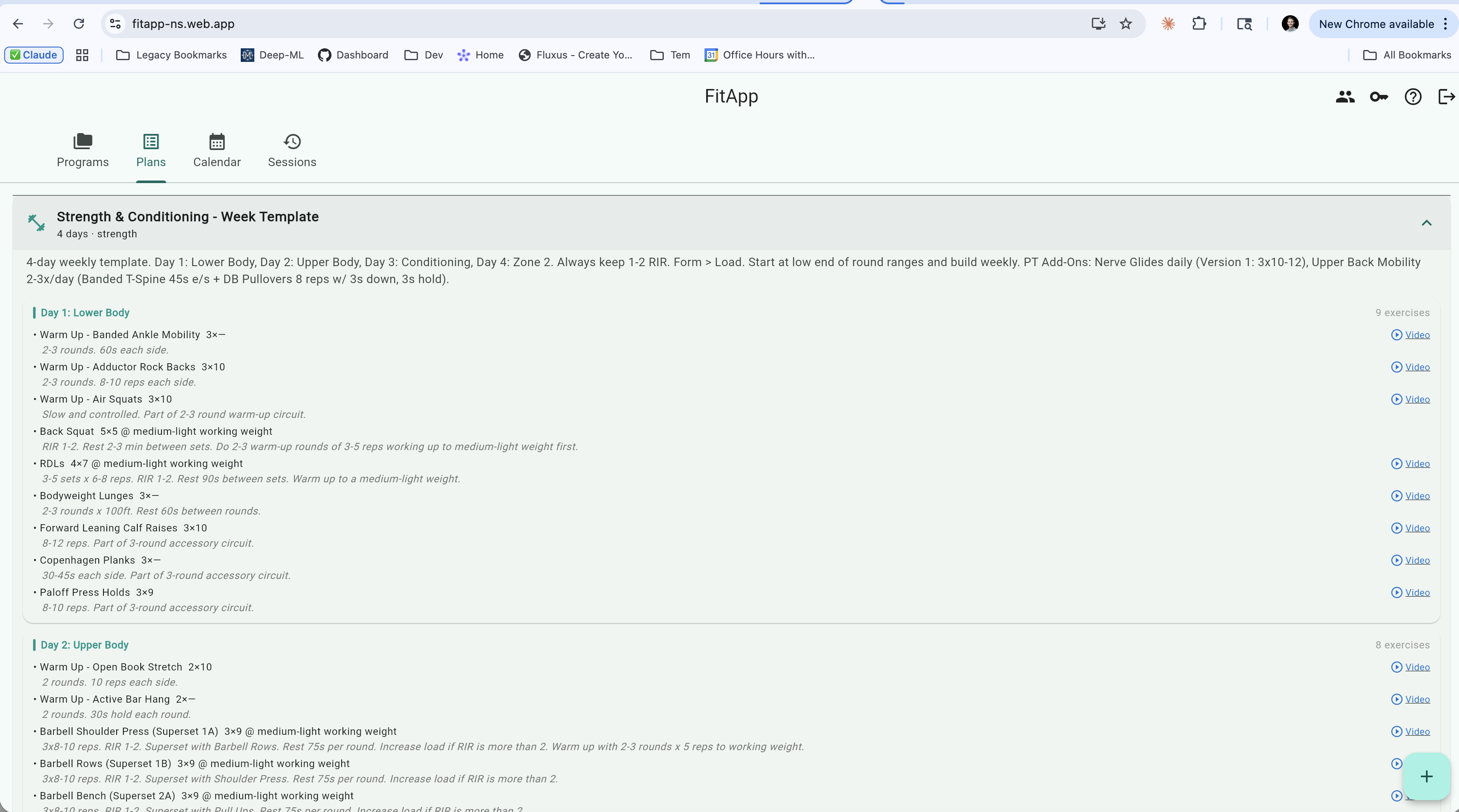
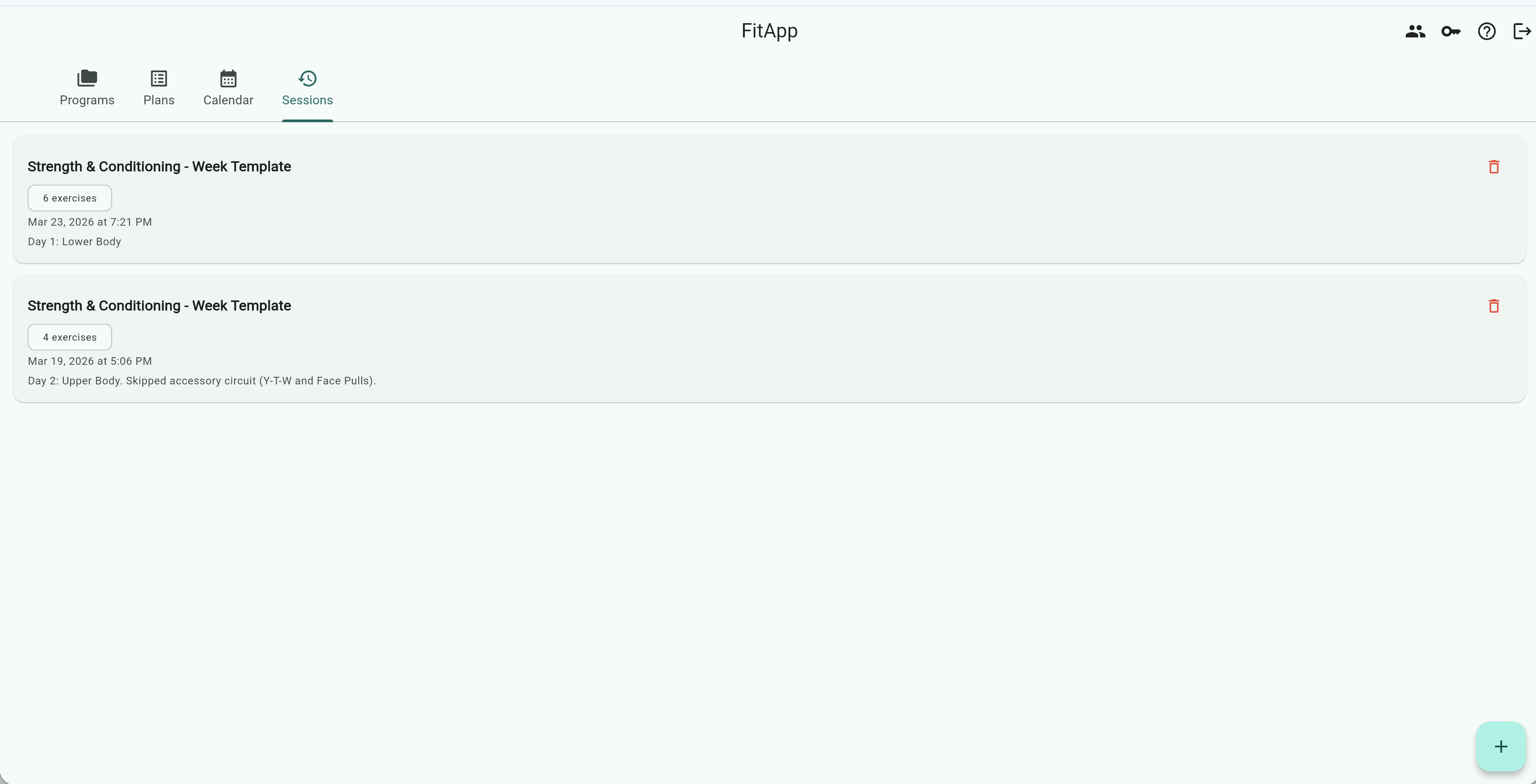
Built with Flutter, Firebase, and Claude's MCP protocol — the same tools I use with consulting clients.
What Was Surprisingly Easy
A year ago, this kind of app would have taken weeks — maybe months. This time, I built large parts of it on a train, in the car, and between meetings.
Using AI tools like Claude Dispatch, I was able to scaffold a Flutter app quickly, implement OAuth flows, and stand up core functionality with minimal friction. The experience flips your expectations. The problem is no longer "How do I build this?" — it becomes "What should I build next?"
Where Things Break Down
Despite the speed, two major challenges emerged.
UX Is Still Human Territory
AI can generate interfaces — but it can't experience them. I became the bottleneck in testing flows, evaluating usability, and catching friction points. The AI builds. You judge. And that loop is slower than everything else.
Feedback Loops Are Everything
One bug has stayed unresolved: rendering a YouTube video inline with workouts. Not because it's impossible — but because the AI lacks visibility into runtime behavior. Without a tight feedback loop, the AI can't see the result, can't iterate effectively, and you end up stepping in manually. This is the next frontier.
Platform Edge Cases Still Matter
Google sign-in worked fine on mobile. Then broke on web. Classic. AI gets you 80% there — but the last mile still belongs to you.
The Bigger Shift
By the end of the weekend, I had run out of things to assign the AI. That's the shift — and it snuck up on me.
Here's what actually happened in a single weekend using Claude Dispatch:
- Audited Google Analytics, discovered zero organic traffic, then deployed a full round of SEO fixes — meta tags, sitemap, robots.txt, and structured data — across the consulting site.
- Wrote and published the "From Painters to Sculptors" blog post, went through multiple rounds of critical review and rewrite, then posted it to LinkedIn with the URL in the first comment.
- Got a complete web presence strategy document with five actionable improvements — and started executing on them the same day.
At some point Saturday afternoon, I looked at my task list and it was empty. Not because I'd given up, but because the AI had finished everything I'd thought of. That's a strange feeling the first time it happens.
The New Skill: Keeping AI Busy
We've moved from writing code to assigning work. From executing tasks to designing task pipelines. The highest leverage skill now is knowing what to delegate — and when.
Here's what one day looked like: Saturday morning I assigned SEO fixes and a blog post draft. By lunch I was reviewing both. By early afternoon I was assigning the next round — web presence improvements, app feature additions for FitApp, and a landing page redesign for a fly fishing blog I'd been meaning to launch. By evening, all of it was done and deployed.
That's not a power-user trick. That's just what happens when you stop treating AI as a coding tool and start treating it as a team. Because AI doesn't stall. You do.
Final Thought
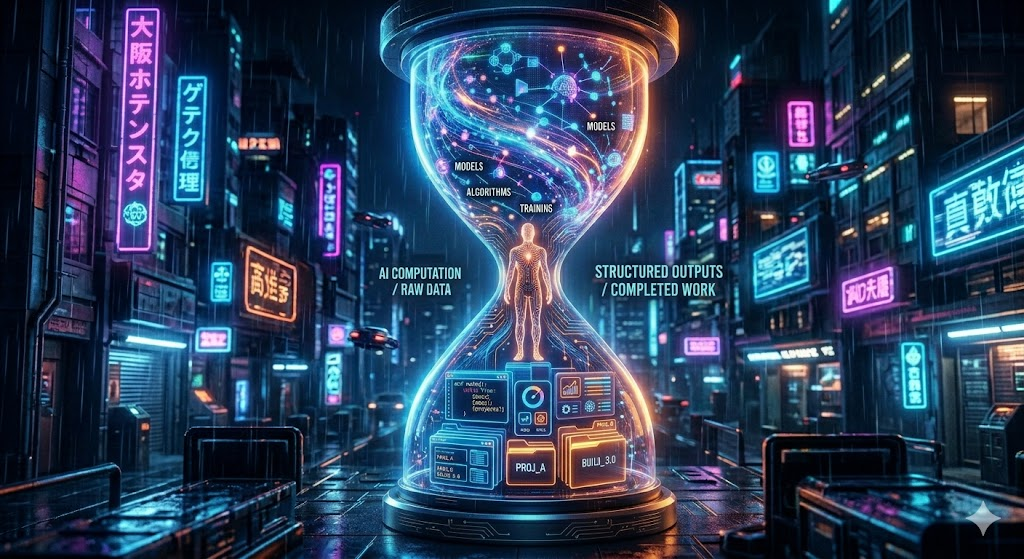
AI didn't remove the bottleneck. It just moved it. And now, the bottleneck is your ability to direct, evaluate, and continuously feed the system. The builders who win won't just be the fastest coders. They'll be the best AI managers. And that's a very different job.
Nick Stoddart is a CTO and fractional technology consultant based in Chattanooga, TN. He builds AI-first systems at Direct Commerce and advises growth-stage companies through Nick Stoddart Consulting.